Portuguese Astrology Association



Padrões Repetitivos e Ciclos Kármicos - A Roda que Gira Até Ser Reconhecida - Repetitive Patterns and Karmic Cycles - The Wheel That Turns Until It Is Recognized
O Mistério da Repetição Humana -
Um dos aspectos mais fascinantes e, por vezes, desconcertantes da experiência humana é a repetição. Encontramos as mesmas dinâmicas relacionais com parceiros diferentes, enfrentamos os mesmos obstáculos profissionais em contextos distintos e reagimos emocionalmente de formas idênticas a situações aparentemente novas.
Na Astrologia, estes padrões não são vistos como "má sorte", mas como convites da psique para a integração consciente.. (...)
The Mystery of Human Repetition -
One of the most fascinating and sometimes disconcerting aspects of human experience is repetition. We encounter the same relational dynamics with different partners, face the same professional obstacles in distinct contexts, and react emotionally in identical ways to seemingly new situations.
In Astrology, these patterns are not seen as "bad luck," but as invitations from the psyche for conscious integration. (...)

Black Moon Lilith em Trânsito em 2026 - Black Moon Lilith in Transit in 2026
Quando é impossível não sentir Há trânsitos que passam como um ruído de fundo e há outros que entram sem pedir licença. Os de Black Moon Lilith pertencem claramente ao segundo grupo. Tenho Lilith conjunta à Lua em Aquário. O meu Sol é em Caranguejo, mas poucas pessoas o vêem realmente. Talvez porque, desde cedo, aprendi que mostrar a sensibilidade tinha um custo. Talvez porque Lilith, quando toca a Lua, não permite formas fáceis de pertença. Existe sempre uma estranheza, uma lucidez desconfortável, um sentir que não encaixa totalmente. E, ainda assim, é precisamente aí que reside uma força que não se deixa domesticar. (...) When it's impossible not to feel There are transits that pass like background noise and there are others that enter without asking permission. Those of Black Moon Lilith clearly belong to the second group. I have Lilith conjunct the Moon in Aquarius. My Sun is in Cancer, but few people really see it. Perhaps because, from an early age, I learned that showing sensitivity had a cost. Perhaps because Lilith, when it touches the Moon, doesn't allow easy forms of belonging. There is always a strangeness, an uncomfortable lucidity, a feeling that doesn't quite fit. And yet, it is precisely there that a force resides that cannot be tamed. (...)
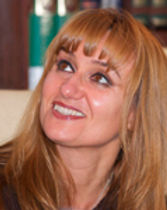
Os Traços de Personalidade e os 4 elementos - Personality Traits and the 4 Elements.
Cada pessoa manifesta certos traços de personalidade que vão desde o comportamento à forma de pensar, a energia que transmite de acordo com o meio ambiente e com quem se relaciona, como influenciamos e somos influenciados e como reagimos emocionalmente connosco próprios e com os outros, mas será que essas características são aprendidas no seio familiar, na sociedade da nossa ancestralidade ou serão aquelas verdades acerca de nós mesmos/as? E como estas podem ser nossas aliadas.(...)
Each person manifests certain personality traits ranging from behavior to way of thinking, the energy they transmit according to the environment and those they interact with, how we influence and are influenced, and how we react emotionally with ourselves and others. But are these characteristics learned within the family, in the society of our ancestry, or are they truths about ourselves? And how can these truths be our allies? (...)
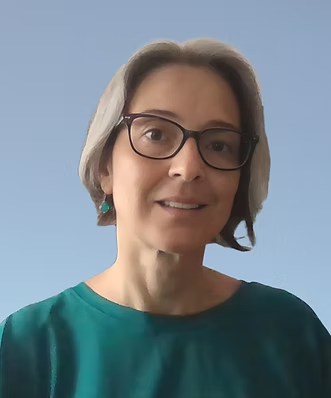
Quíron em Touro e as Ferida da “Era do Ter” - Chiron in Taurus and the Wounds of the "Age of Having"
Depois de, nos últimos 7 anos, o trânsito de Úrano em Touro ter promovido o despertar da consciência humana para a urgência de mudarmos radicalmente os valores em que assenta a nossa relação com a dimensão material da vida, é a vez do centauro Quíron iniciar o seu trânsito no signo de Terra fixo, expondo o que ainda precisamos de curar no modo como lidamos com a materialidade. (...) After the last 7 years, during which Uranus' transit through Taurus fostered an awakening of human consciousness to the urgency of radically changing the values that underpin our relationship with the material dimension of life, it is now the turn of the centaur Chiron to begin its transit through the fixed Earth sign, exposing what we still need to heal in the way we deal with materiality. (...)
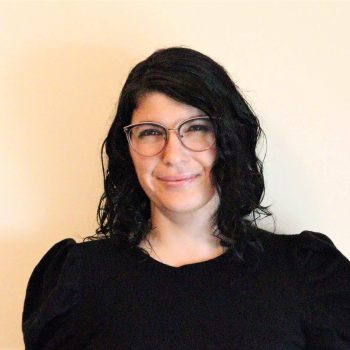
Almuten Figuris
Almuten deriva do termo árabe “al-mu‘tazz” que significa “o mais poderoso” ou “o mais digno”. Figuris deriva do latim e significa “forma” ou aparência. Neste contexto, indica a “figura do nativo”.
Almuten Figuris significa então, “o mais digno das figuras do mapa natal", ou seja, o planeta com maior dignidade nos pontos considerados mais relevantes do tema natal. Então pode-se dizer que o Almuten Figuris é o Caminho da Missão de Vida, a Conexão com o Divino e a Parte mais Espiritual do Ser. (...)
Almuten derives from the Arabic term “al-mu‘tazz” which means “the most powerful” or “the most worthy”. Figuris derives from Latin and means “form” or appearance. In this context, it indicates the “figure of the native”.
Almuten Figuris therefore means “the most worthy of the figures in the natal chart”, that is, the planet with the greatest dignity in the points considered most relevant in the natal chart. So it can be said that Almuten Figuris is the Path of Life Mission, the Connection with the Divine and the most Spiritual Part of the Being. (...)

Morfopsicologia Astrológica - Astrological Morphopsychology
O rosto no mapa natal
A ligação entre os nossos traços faciais e o mapa astral é um tema que combina a astrologia tradicional com a morfopsicologia a disciplina que estuda a relação entre os traços do rosto e a personalidade. A morfopsicologia tem vindo a desenvolver uma base experimental sólida. Milhares de estudos comparativos permitem confirmar parte da premissa de que o rosto reflete aspetos do nosso carácter e das nossas experiências de vida. (...)
The Face in the Natal Chart
The connection between our facial features and the birth chart is a topic that combines traditional astrology with morphopsychology, the discipline that studies the relationship between facial features and personality. Morphopsychology has been developing a solid experimental basis. Thousands of comparative studies confirm part of the premise that the face reflects aspects of our character and our life experiences. (...)

Corpos dançam no Universo - Bodies dance in the Universe
Estrelas, planetas, galáxias, gases e poeiras, objetos desconhecidos. Todos em múltiplas direções. Gravitam em si. Gravitam uns pelos outros, nessa força invisível que a todos nos une. (...) Stars, planets, galaxies, gases and dust, unknown objects. All moving in multiple directions. They gravitate towards each other. They gravitate towards one another, in that invisible force that unites us all. (...)

Astrologia no Caminho das Estrelas – Indicadores de Motivação dos Peregrinos de Santiago - Astrology on the Path of the Stars – Indicators of Motivation Among Santiago Pilgrims
De acordo com a tradição católica, após a morte de Jesus, os seus apóstolos começaram a evangelização por todo o mundo. O apóstolo Santiago (Tiago Maior), durante a sua evangelização, terá pregado pela primeira vez na zona da Hispânia por volta de 34 D.C, vindo da Terra Santa e regressando posteriormente à Palestina, onde foi decapitado. O seu corpo e cabeça terão sido transportados pelos discípulos Teodoro e Atanásio... (...)
According to Catholic tradition, after the death of Jesus, his apostles began evangelizing the world. The apostle James (James the Greater), during his evangelization, is said to have first preached in the region of Hispania around 34 AD, coming from the Holy Land and later returning to Palestine, where he was beheaded. His body and head were supposedly transported by his disciples Theodore and Athanasius... (...)
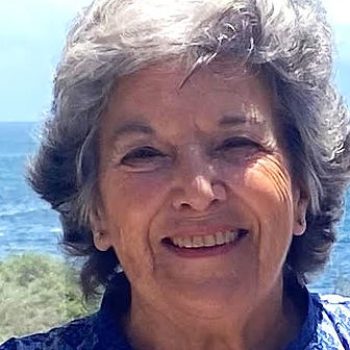
À Procura de MakeMake - Looking for MakeMake
O que é Makemake ?
É um planeta anão situado no Cinturão de Kuiper.
Definição de planeta anão: um corpo celeste que orbita o Sol, com massa suficiente para assumir uma forma quase esférica, não “limpou” a vizinhança em torno da sua órbita, ou seja, compartilha seu caminho com outros corpos semelhantes como asteroides ou objetos do Cinturão de Kuiper e não é um satélite. (...)
What is Makemake?
It is a dwarf planet located in the Kuiper Belt.
Definition of dwarf planet: a celestial body that orbits the Sun, with sufficient mass to assume a nearly spherical shape, has not "cleared" the neighborhood around its orbit, that is, it shares its path with other similar bodies such as asteroids or objects in the Kuiper Belt and is not a satellite. (...)
A Alquimia dos Quatro Elementos - The Alchemy of the Four Elements
A teoria dos quatro elementos constitui um dos modelos simbólicos mais antigos e persistentes na compreensão da natureza humana e dos processos psicológicos. Na astrologia, a distribuição elementar do mapa natal é tradicionalmente associada a padrões de temperamento, comportamento e funcionamento psíquico. Contudo, a validação empírica dessas associações permanece limitada, sendo frequentemente sustentada por abordagens qualitativas ou estudos de caso.(...)
The theory of the four elements constitutes one of the oldest and most persistent symbolic models in understanding human nature and psychological processes. In astrology, the elemental distribution of the natal chart is traditionally associated with patterns of temperament, behavior, and psychic functioning. However, the empirical validation of these associations remains limited, often being supported by qualitative approaches or case studies.(...)

A Nova Proposta Dos Mensageiros Da Galáxia - The New Proposal from the Messengers of the Galaxy
Depois do processo Saturnino da vida na matéria, chegamos aos planetas transpessoais Urano, Neptuno e Plutão. Eles posicionam-se na oitava vibracional dos planetas pessoais de Mercúrio, Vênus e Marte respectivamente. Além de se encontrarem no campo do invisível aos olhos do ser humano, eles apelam à transformação da Alma humana. Para isso as suas influências veiculam através do Colectivo humano mas com implicações pessoais no seu processo de individuação.(...)
After the Saturnian process of life in matter, we arrive at the transpersonal planets Uranus, Neptune, and Pluto. They are positioned in the vibrational octave of the personal planets Mercury, Venus, and Mars, respectively. Besides being in the realm invisible to the human eye, they call for the transformation of the human Soul. To this end, their influences are conveyed through the human Collective, but with personal implications in its individuation process. (...)